
The facts
Women and girls across the UK face violence every day
Misogyny often takes the form of low-level harassment, like sexist comments and cat-calling.
Women are consistently more likely than men to experience violence in the form of domestic abuse, stalking, sexual assault and harassment, accounting for the clear majority of victims across all categories of gendered violence.
Violence against women and girls (VAWG) is a national crisis. VAWG-related offences account for around 20% of police-recorded crime in 2022-2023, yet remain widely under-reported and underfunded. Police recorded over 71,000 rapes in 2024, yet fewer than 3% resulted in a charge. With reporting rates across VAWG offences low, and prosecution rates even lower, it’s vital that the safety of women and girls is at the forefront of our community safety strategies.
Harassment
Sexual harassment is one of the most prevalent forms of violence women and girls face, particularly for young women. Evidence shows around 1 in 5 women have experienced sexual harassment within the last year, rising to nearly 1 in 4 among women aged 16-24. The vast majority of sexual harassment takes place in public spaces (75%) and one fifth take place on public transport.
These are not just statistics. They reflect the lived experience of millions of women, who experience violence every year, within all of our communities.
Sexist normalisation
Sexist behaviours and attitudes are mutually reinforcing, each shaping and reflecting the other within the environments young people navigate. In our secondary schools, 74% of 11-16 year-olds have seen or experienced sexism, either on social media, at school or college, in sports, politics, and public spaces. This rises to 95% of college or university students.
With the vast majority of school-age children experiencing sexism, or witnessing sexist behaviours, young men are exposed to misogynistic norms and environments, while young women are subjected to harmful attitudes, harassment and violence. It is evident that these issues are deeply embedded within every corner of our society.
The experience of sexism perpetuates a vicious cycle. Experiences shape beliefs and behaviours, so discrimination is normalised in formative years, as young people move into adulthood.
Unchecked sexist attitudes are carried forward into workplaces, relationships, and public life. So it is essential that both young women and young men are equipped with the skills, knowledge and confidence to challenge misogyny. To break out of this cycle, they need support, which is why practitioners also should be equipped to recognise, address, and support young people in navigating these issues effectively.
1/4
of women aged 16-24 experienced
harassment
in the past year.
VAWG-related offences account for around 20% of all police-recorded crime, yet remain widely under-reported, at the same time as enforcement is largely under-funded.
_
‘
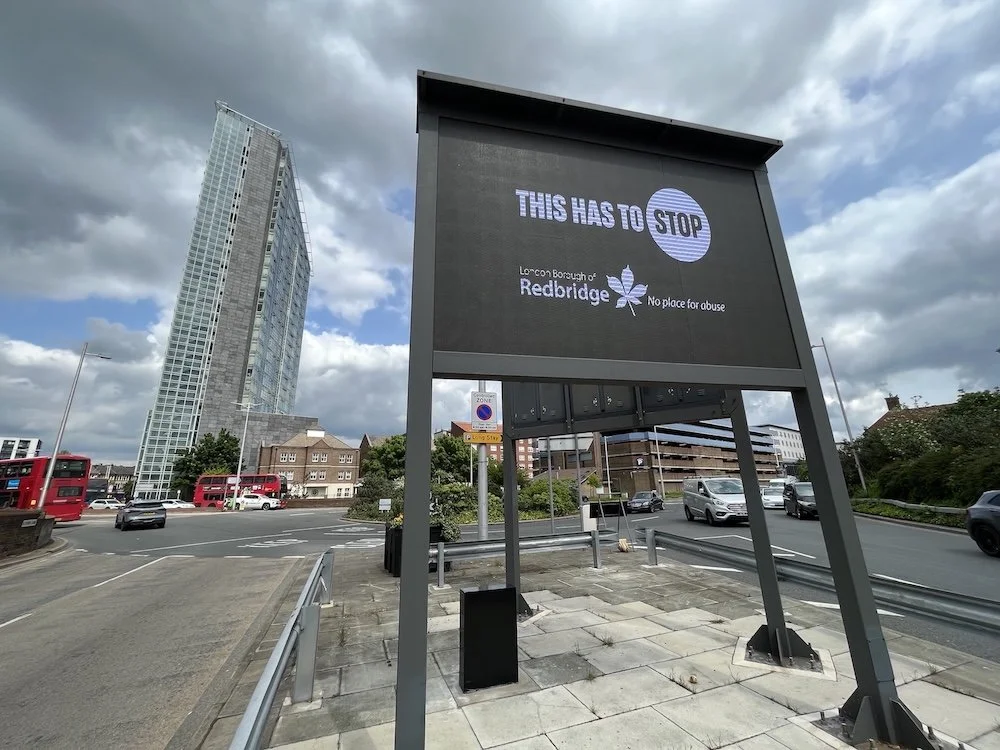
1 MILLION WOMEN
Reported sexist harassment across the UK in 2022/3
71%
of women have experienced
sexual harassment
in the UK’s public spaces
Report by the APPG for UN Women.
VAWG-related offences
account for around
20%
of all police-recorded crime.
National Audit office: Tackling violence against women and girls (2024).
The police recorded
71,000
rapes in the UK
in the past year
National Audit office: Tackling violence against women and girls (2024).
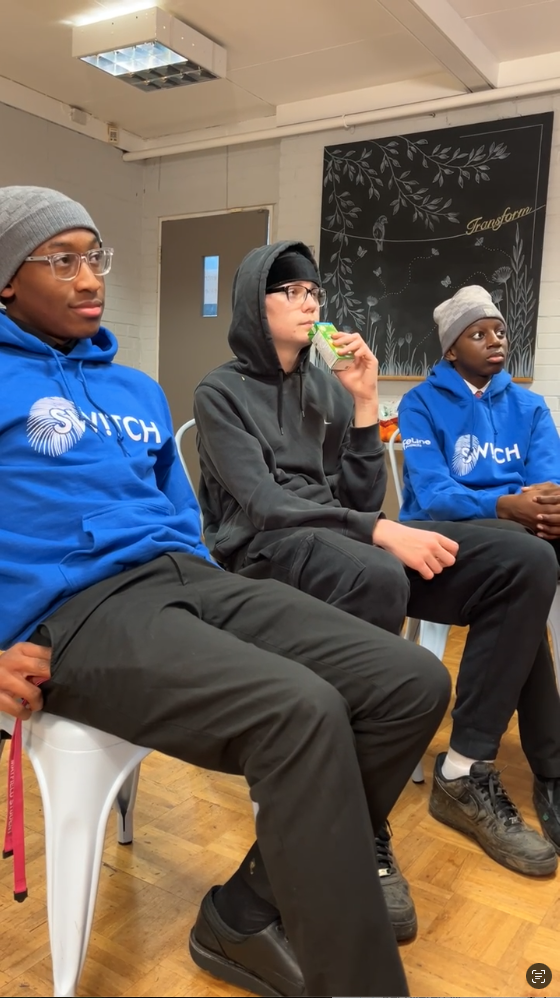
Young men taking part in the Step In workshop.
The impact of ThisHasToSTOP
ThisHasToSTOP achieved a 21% reduction in sexual harassment and abuse offences within Redbridge compared to a London average of 9.5% – more than twice as much as other boroughs over the same period.
Other areas of impact include:
Notable decreases in neighbouring boroughs, compared to the rest of London
12.5% decline in sexual offences within two months of the launch of the Public Space Protection Order
Distributed over 1,000 educational table talkers to schools and public spaces
‘Real Men Talking’ TikTok campaign achieved 100,000+ views, with 65% of viewers identifying as male.
‘Don’t Stand By, Step In’ workshops trained 500+ frontline staff and residents
Pilot school programmes showed a 13% increase in students recognising sexist harassment compared to our control group.
The Step In pilot schools programmes showed a 13% increase in students recognising sexist harassment.
_
‘